
Plastic containers are everywhere now, from the bags to the plastic containers and water bottles we use. Natural materials such as cellulose, coal, natural gas, salt, and crude oil make plastics. They can also be made from waste, renewable materials, or CO2.
Plastic is one of the most enduring materials man has created. Plastic will take hundreds of years to degrade, and microplastics are harmful particles absorbed into living bodies. However, plastics can contain toxic materials that cause cancer.
Plastic usage brings both environmental concerns and health concerns about our bodies. We especially have to be careful with plastic containers that contain food that we eat.
In this article, we will discuss the types of plastics and containers causing cancer and some alternative materials, such as glass and paper, to consider.
Does Plastic Cause Cancer?
Many types of materials can make plastics. When I go to the store, I see plastics ranging from complex, solid textures, such as plastic foldable tables or chairs, plastic wrap on fresh produce, and plastic bottles of water and toys.
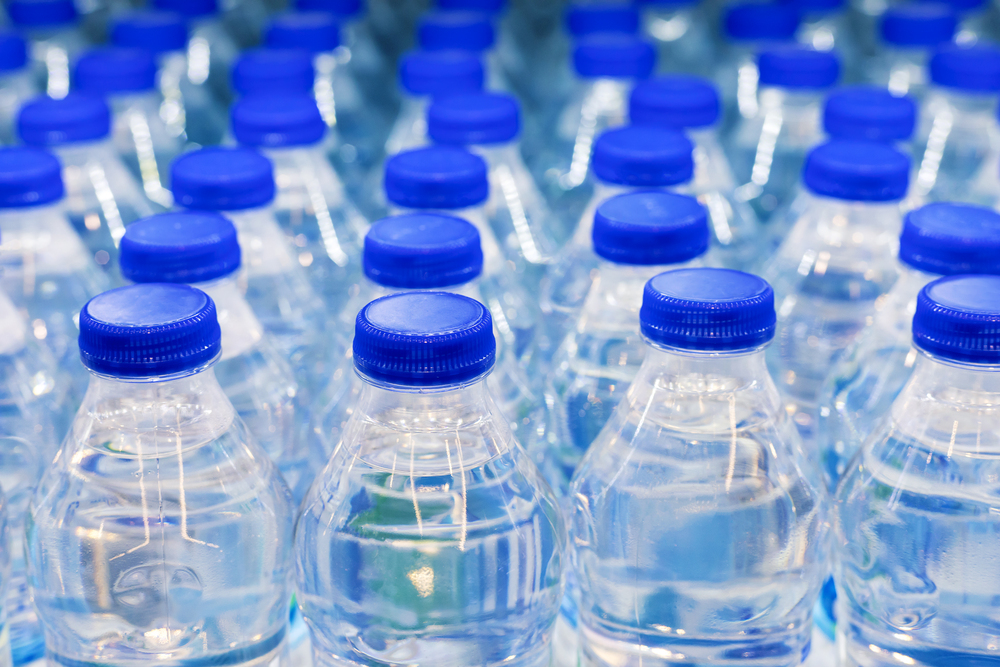
When I was unaware of the harmful impact of microplastics, I would purchase bottles of alkaline water. However, I learned the detrimental effects of microplastics, which microplastics can absorb toxic chemicals, heavy metals, polychlorinated biphenyls (PCBs), and pesticides from the environment, leading to cancer.
Since then, I have switched to using a tumbler to refill the bottles with filtered water at home and bring them everywhere.
Certain plastic types, such as PVC, PS, and additives, can cause cancer. The plastic additives contain harmful chemicals that can cause cancer and other related health concerns.
Plastics made out of PVC (Polyvinyl Chloride), PS (Polystyrene/styrofoam plastic), and with plastic additives to make plastic more flexible, flame-resistant, stain-resistant, or durable, such as phthalates, PFAS in clothing, and flame retardants used in electronics, are associated with cancers, including testicular, kidney, and reproductive health-related issues and cancers.
To reduce our chance of getting cancer, we must be mindful of the following types of plastics and the associated products, as they are especially hazardous.
 Plastics made out of Polyvinyl Chloride (PVC)
PVC is considered the most hazardous plastic. It can dissolve toxic chemicals that cause cancer, such as bisphenol A (BPA), phthalates, lead, dioxins, mercury, and cadmium.
Polyvinyl Chloride (PVC) is in toys, blister wrap, cling wrap, detergent bottles, loose-leaf binders, blood bags, and medical tubing.
We see those products in the grocery store where we shop. Sometimes, without thinking twice about the products, we grab them and head to the checkout. However, it is best to avoid purchasing products that use PVC plastics and replace them with wood or glass as much as possible.
 Plastics made out of Polystyrene (PS)
Polystyrene (PS) is the styrofoam commonly used for food containers, egg cartons, disposable cups, bowls, packaging, and bike helmets.
Takeout places sometimes use styrofoam as lightweight white cups or containers for hot food. When exposed to hot and oily food, styrofoam can produce styrene, a brain and nervous system toxicant that can increase lymphatic-related cancers.
Many places have replaced Polystyrene with safer plastic material. I am now more mindful when selecting paper plates and cup products and ensuring that if the restaurant uses styrofoam, I choose another restaurant that doesn’t.
It is best to avoid using styrofoam in food containers and purchase eggs in cartons instead.

Plastics with Phthalates (pronounced THAL-ates)
Phthalates are plastic additives that make plastic soft and flexible, and they can hurt male fetuses as well as show signs of heart disease in older people who contain high levels of phthalates.
Phthalates are in cosmetics, medical tubing, fluid bags, wood finishes, detergents, adhesives, plastic plumbing pipes, lubricants, solvents, insecticides, building materials, vinyl flooring, shower curtains, restaurant, cafeteria, and fast food, as well as high-fat dairy, fatty meats, poultry, and cooking oils.
Phthalates are often listed under the ingredient section or labeled as “fragrances.”
When purchasing products on the list above, it is best to seek phthalates-free products to reduce health risks.

Clothing with PFAs (Perfluoroalkyl and Polyfluoroakyl)
Perfluoroalkyl and Polyfluoroakyl (PFAs) are prevalent in active wear such as nylon and spandex. PFAs are also found in cleaning products, water-resistant fabrics such as rain jackets, umbrellas, and tents, grease-resistant paper, nonstick cookware, and personal care products such as shampoo, dental floss, nail polish, and eye makeup.
They also exist in stain-resistant coatings on carpets, upholstery, and other fabrics.
Those products may look convenient and aesthetically pleasing, but they can increase our risk of cancer when used daily. We can find alternative products that do not use perfluoroalkyl and polyfluoroalkyl.

Electronics with Flame-retardant plastics
Flame retardants are used in electronics to prevent burning or slow the spread of fire. They are in furnishings such as seating foam and coverings, mattresses, and carpets; electronics and electrical devices such as computers, phones, televisions, and household appliances; and building and construction materials such as coatings for electrical wires and cables, polystyrene foams, and spray foams.
Many people like me have multiple laptops and electronics, such as iPads or TVs. The refrigerator always runs, and the fan and heater are the same. Flame-retardant plastics in my electronic applications make me realize that what I have around me can be cancer-causing.
It is wise to vacuum the floor frequently to remove flame-retardant dust and not be close to all your electronics. That said, keeping a distance from our electronics would be hard.
We also want to vacuum our homes regularly if we have a lot of electronics or furnishings to remove fire retardants from the environment.
Final Thoughts
Plastic products can increase our chances of getting cancer and pose additional health risks.
We can replace plastic products with stainless steel, glass, and paper. For example, I replace plastic cups and plates with paper cups and plates. I also replace plastic bags with paper and reusable bags when shopping.
I buy my daughter wooden toys instead of plastic ones and use glass containers instead of plastic ones. This way, I limit my chemical exposure to plastics. I also choose to use paper bags instead of plastic bags.
If we use plastic products, we should avoid chemicals such as PVC, PS, phthalates, and PFAs in our food containers and clothing.
Other Posts You May Like
- 10 Ways to Prevent Cancer: Actionable Strategies for Health
- Top Household Cancer-Causing Cleaning Products
- Top Personal Care and Beauty Products That Are Causing You Cancer
- Pesticides in Food That Cause Cancer
5 Plastic Materials that Cause Cancer