

Many things around us can cause cancer. Some are more well-known, and some are less well-known. In this article, we are going over some of the more well-known items that could increase the chance of getting cancer and some that are less well-known. We all know that “an ounce of prevention is worth a pound of cure.” by Benjamin Franklin.
Therefore, we are listing actionable strategies to prevent cancer. The list goes from what chemicals can cause cancer to what actions we can take to lessen our chances of getting cancer. Together, we can find ways to prevent cancer and help us live healthier lifestyles.

Avoid Smoking and Other Inhaled Chemicals
Smoking is the leading cause of Lung Cancer. Lung Cancer is the leading cause of cancer death both in the U.S. and worldwide.
Many of you know people who smoke and get lung cancer. A smoker has a 25 times higher chance of developing lung cancer than a non-smoker. Smoking can also increase the chance of someone getting stomach cancer.
My grandfather passed away from lung cancer. I remember him laying on the bed, struggling with his illness, and eventually passing away. Lung cancer often is not treatable by surgeries or radiation when diagnosed.
Many people who passed away from lung cancer inhaled secondhand smoke.
Other types of inhaled chemicals can also increase someone’s chances of getting lung cancer, and they are listed as follows:

Radon – the natural breakdown of uranium in soil, rock, and water
It is wise to hire a professional to test the soil level of radon in your home. Install a radon mitigation system, which reduces radon concentration in buildings. Air out the home by ventilating the lowest level of the house, such as the basement, crawlspace, or living area, if your home has a slab foundation.
Asbestos could be in some insulation, roofing, and building materials
Some building materials, including insulation, roofing, and building materials, contain asbestos. It was also used in Power Plants, increasing workers’ risk of lung cancer. Home and professional asbestos inspections can determine what building materials contain asbestos. AsbestosAsbestoseople detect asbestos. In their homes, they should remove it to reduce cancer risk.
Arsenic – naturally found in the Earth’s crust and leaking into drinking water
Arsenic can exist in groundwater on the West and East Coasts. Conducting a drinking water test is the best way to determine whether groundwater contains arsenic. A blood test can also determine if you have a higher concentration of arsenic in your blood and provide treatments to remove it.
Radioactive Ores and other radioactive ores underground
Radioactive elements can cause cancer, and we must hire a professional to test our home and living environments to ensure that we are not living in an area with radioactive ores.

Other Inhaled Chemicals: chlorine bleach and ammonia, for example
Some home cleaning products contain chlorine and ammonia, so it is best to avoid using them. However, if we must clean our homes with chlorine and ammonia, we must wear masks, eye protection, and gloves. To lower the concentration of household cleaning products at home, ensure the windows are open and well-ventilated during and after use.
To reduce our chances of getting lung and stomach cancer, we should avoid smoking and other inhaled chemicals. If you live in a highly polluted area, wear an air mask, avoid secondhand smoke, and quit smoking if you are smoking. Be mindful of the chemically harmful substances in the air and evacuate when the area becomes polluted beyond a healthy level.

Limit your consumption of red meat, smoked foods, salted fish, meat, pickled vegetables, and fat, and consume more vegetables.
Red meat and a low diet of vegetables are known to increase the risk of colon, rectum, and prostate cancer. Red meat and processed meat increase the 30 – 40 % risk of colorectal cancer. Fat consumption, such as animal fat or fried food with lots of oil, increases the chance of breast and liver cancer. Salted fish and meat, and pickled vegetables can increase the chance of someone getting stomach cancer. Lastly, smoked foods are known to increase the chance of stomach cancer.
A fiber-rich diet, including many fruits and vegetables, can help reduce cancer risk. Replace red meat and fat-rich diets, such as fried food, excessive fat, and processed meat, with chicken breasts, wings, and back and turkey or seafood.
Eating fruits and vegetables that contain essential vitamins, minerals, phytochemicals, and antioxidants and are low in calories is excellent for our body. Some cancer-fighting foods are berries, grapes, broccoli, tomatoes, and whole grains. I enjoy a fruit or vegetable smoothie in the morning to provide a nutritional boost. I love fresh seafood and often consume fish and other fresh seafood with brown rice cooked lightly and not consumed as smoked food.
Food can determine our colon and rectum environment and health, so we must be mindful of what we eat to boost our immune system and reduce our risk of colorectal, prostate, breast, and liver cancer.

Keep a Healthy Weight Level and Exercise
There is a link between obesity and cancer types such as breast, prostate, liver, colon, and stomach cancer. An inactive lifestyle also contributed to the possibility of breast and prostate cancer. Obesity is defined by body mass index (BMI) over 30.00 weight in kg per height in meters squared. 30.00 BMI, meaning the person is 30 kg weight for every 1-meter height squared.
You can find a BMI calculator here.
In short, a higher BMI range in overweight and obesity will more likely increase the chance of someone getting breast, prostate, liver, and stomach cancer.
Keeping a healthy weight level to your height is a good strategy for reducing your chance of getting breast, prostate, liver, and stomach cancer.
Next, we are talking about how exercise can reduce our chances of breast and prostate cancer. If you are new to exercising, set a goal to lightly walk, bike, or run for 10 minutes daily. The goal is to engage in moderate aerobic exercise such as walking, jogging, swimming, and bicycling. The goal of such training is to increase heart and breathing rates based on the increase in heart rate zone with age.
You can find a Target Heart Rate Zone calculator here.
We recommend walking, jogging, swimming, or biking in the moderate aerobic zone for 30 minutes in one session. Exercise can moderately boost our heart and breathing rates to enhance our activity level for cancer prevention.
Limit Alcohol and Oral Contraceptive Use and Post-Menopausal Hormone Therapy, and Avoid Anabolic Steroids

Limit Alcohol Consumption
Alcohol use is associated with an increased risk of colon, breast, and liver cancer. The consumption of alcohol leads to a condition in which one’s liver is scarred and permanently damaged, known as cirrhosis. Alcohol contains ethanol, and the toxic by-product acetaldehyde can bind to DNA and possibly cause damage to our body, including our liver. Alcohol can also act as a solvent for other cancerous elements to be absorbed and can impact our mouth, throat, and esophagus in the process. Limiting alcohol consumption or being mindful of it can reduce our chance of getting cancer relating to our liver, colon, mouth, throat, and esophagus areas.
Limit Oral Contraceptives
Oral contraceptives, such as birth control pills for women, increase the risk of breast and cervical cancer. One study found a 10% increased risk for less than five years of use, a 60% increased risk with 5–9 years, and a doubling of the risk with ten or more years of use. It is essential to be mindful of the possible impact of oral contraceptives on women’s increased risk of cervical and breast cancer.
Limit or Avoid Post-Menopausal Hormone Treatment
Post-Menopausal Hormone, similar to oral contraceptives, using a synthetic female hormone to treat common menopausal symptoms such as hot flashes and vaginal discomfort, can increase women’s chances of getting ovarian and breast cancer [5]. Women who are considering post-menopausal hormone therapy should consider the increased risk of getting ovarian and breast cancer as part of their cancer prevention strategy.
Avoid Anabolic Steroids
Anabolic Steroids are synthetic variants of the naturally occurring male hormone testosterone. They promote muscle growth, enhance athletic or other physical performance, and improve physical appearance.
The evidence of anabolic steroids causing liver tumors is strong. It is recommended to avoid using anabolic steroids as part of cancer prevention strategies to prevent liver cancer.
The items above are related to alcohol toxins and synthetic female or male hormone usage. It is recommended to limit the consumption of alcohol and the usage of synthetic female or male hormone usages as part of cancer prevention strategies to prevent colon, mouth, throat, esophagus, breast, ovarian, cervical, and liver cancer.

Prevent UV Light Exposure Under the Sun or from Man-made sources of UV Rays.
UV rays with higher energy can remove an electron from an atom or molecule on the surface of our skin. Ionizing radiation can damage DNA in cells and can lead to cancer. Sunlight is the primary source of UV radiation.
Sunlight as the Source of UV Rays
UV rays from the sun are most intense between 10 am and 4 pm and during the spring and summer months. UV exposure is highest around the equator and decreases as we move away from it. Higher elevations mean more UV ray exposure and the thickness of the Ozone layer also impacts the ground beneath it, causing some areas, such as the Antarctic, to have higher UV ray exposure than other areas. Note that clouds do not stop UV rays from the sun.
It is wise to avoid going out in the sun during the peak UV rays hours between 10 am and 4 pm. Wear sunscreen when out and about to protect your skin from UV rays. It does not matter whether there are clouds or a clear blue sky day. The higher the SPF, the greater the protection from UV rays. The higher the number, the greater the protection. A sunscreen with an SPF of 15 will block approximately 93% of the sun’s UV rays. SPF 30 will block 97% of UV rays, and SPF 50 will block approximately 98%.
Physical protection is also essential, such as wearing a hat and light sun protection clothing, such as long sleeves, long pants, or a long sun jacket. By using physical protection against the sun, we can prevent or limit UV light from directly absorbing our skin, causing cancer.
Man-made source of UV Rays
Some artificial lamps produce UV rays, which can also damage our skin. Thus, artificial lamps can increase our chances of developing skin cancer. Sunlamps and sunbeds (tanning beds and booths), phototherapy, black-light lamps, mercury-vapor lamps, high-pressure xenon and xenon-mercury arc lamps, plasma torches, and welding arcs are examples of artificial sources of UV rays. We must limit our exposure to these sources and wear sunscreen to prevent UV light absorption into our skin.
In summary, skin cancers are linked to certain behaviors, such as spending time in the sun for recreation, spending a lot of time in the sun and a swimsuit, living in an area that gets a lot of sunlight, having had severe sunburns in the past, and having signs of sun damage to the skin on the neck.
Melanoma, the dark spots on the skin that turned cancerous, has certain behaviors that lead to its development, such as “intermittent sun exposure” by sunbathing, water sports and taking vacations in sunny places, previous sunburns, and signs of sun damage to the skins.
In summary, to prevent skin cancer, avoid the sun only before 10 a.m. and after 4 p.m. Wear SPF sunscreen above 15 and use physical protection such as a hat, long sleeves, and long pants when in the sun. Limit time under the sun if your skin is lighter from 10 to more than 60 minutes.
See the How much sun is too much table to determine the amount of time you should spend under the sun.
Finally, be mindful of the UV emissions from artificial lamps and wear UV protection or sunscreen to prevent UV damage that can increase your chances of skin cancer.
Limit Exposure to Bacterial Hazards and Toxins
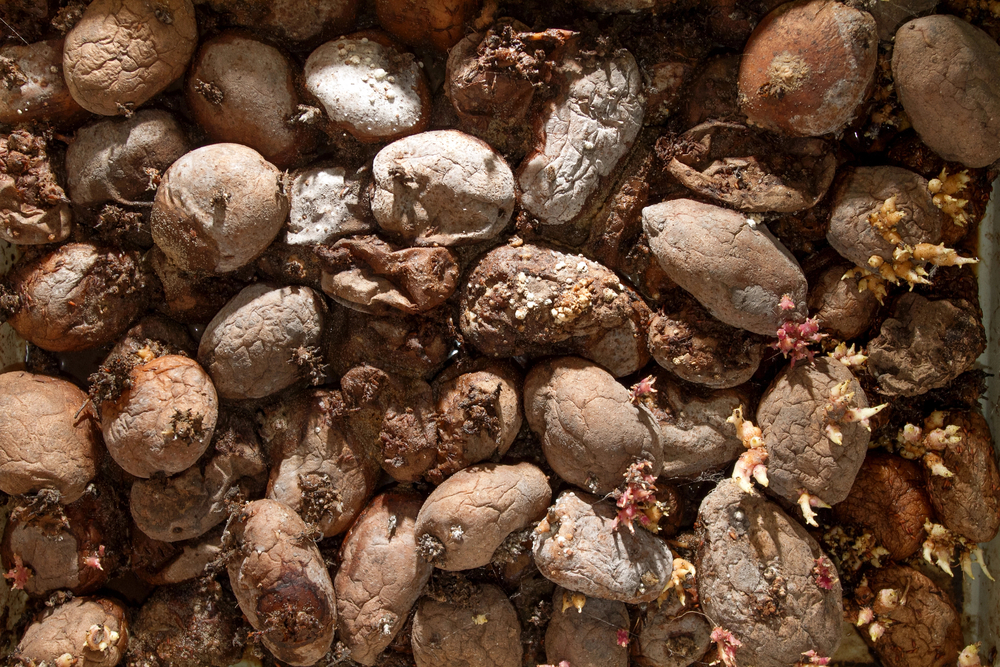
Specific fungi and bacteria are associated with an increasing liver and stomach cancer risk. We specifically discuss eliminating aflatoxins and helicobacter pylori in our digestive and liver detox systems. Aflatoxins are a group of toxins created by fungi grown on crops that lead to liver cancer if digested continuously. Helicobacter Pylori infects the stomach, causing ulcers and increasing the chances of stomach cancer.
Below, we will provide an overview of aflatoxins and helicobacter pylori and explain how to eliminate both from our system.
Aflatoxins secreted by fungi that live on crops
Aflatoxins are a family of toxins produced by certain fungi found on crops such as maize (corn), peanuts, cottonseed, and tree nuts. They are abundant in warm and humid regions of the world. Aflatoxins can damage our DNA structure and increase our chances of getting liver cancer. Aflatoxins are in animal milk that ingest crops infected with aflatoxin fungi.
You can examine the crops and agriculture products and discard moldy, discolored, or faded food, especially nuts, peanuts, and crops. You can also contact any milk producer for their testing results on aflatoxins and get pasteurized milk to prevent liver cancer.

Helicobacter Pylori bacteria grow inside of our stomach
Two-thirds of the world’s population has Helicobacter Pylori. This bacteria infects our stomachs, causing ulcers and increasing our chance of getting stomach cancer. To determine whether you have Helicobacter Pylori, take a breath, blood, stool, and biopsy test.
If you test positive for Helicobacter Pylori, you can treat it with antibiotics, proton pump inhibitors (PPI) to stop the oversecretion of stomach acid, and H-2 blockers, and treat ulcers in both the stomach and the first part of the small intestine.
To prevent stomach and liver cancer, we must ensure the crops we eat and the milk we drink do not contain aflatoxins, be aware of what aflatoxins look like in our crops, and find ways to learn about the source of our milk.

Ensuring Food Sanitation and Safe Food Source and Increase Probiotic Intake
Ensuring Food Sanitation and Safe Food Source
Food sanitation and ensuring safe food sources are essential to prevent harmful chemicals, bacteria, viruses, or parasites from entering our bodies and increasing cancer risk. On the other hand, eating probiotic foods can help reduce inflammatory effects and inhibit the growth of breast cancer cells.
Clean first and then sanitize the food, reducing food borne illness, pathogens that can cause immediate illness, and chemical toxins not washed off the vegetable. Heavy metals, radioactive nucleotides, dioxins, and PCBs can be uptaking by vegetables in the soil. When we consume vegetables or fruits from polluted soil, it can cause cancer.
Naturally occurring toxins in fruits and vegetables can increase our chances of cancer if we don’t wash our food thoroughly. Food that contains heavy metals and radioactive nucleotides from polluted soil can also cause cancer.
Dioxins and PCBs are known as unwanted by-products of industrial processes and waste. Vegetables can absorb them from the soil; when ingested, they can increase the chance of cancer.
We should always identify food sources from non-radioactive areas and areas without heavy industrial activities. We should also wash food thoroughly before we cook it or ensure we go to places with high cleaning standards.
Increase probiotics and prebiotics, the food that feeds the bacteria in our gut
We should take probiotic foods to boost our immune system and inhibit breast cell growth.
They are as follows:
- Low-fat, plain organic yogurt with live or active cultures
- Kefir (a yogurt-like drink)
- Kombucha tea
- Fermented vegetables like sauerkraut and kimchi
- Fermented soybeans (miso)
Also, prebiotic food can help good bacteria to grow and repopulate.
They are as follows:
- Whole grains
- Fruits and vegetables, specifically bananas, asparagus and onions
- Oatmeal
- Soybeans
- Garlic
As part of our cancer prevention strategies, it is essential to increase probiotic and prebiotic food intake and reduce processed food intake, which has a higher level of sugar and salt and lower levels of nutrients.

Mindfulness, neuron regulation, and bodily trauma healing
Studies have shown that childhood-averse experiences can increase someone’s chances of harmful behaviors and in terms to increase the risk of a variety of cancers.
The high level of stress hormones can cause chronic stress in our bodies. When our body secretes and sustains our stress hormones over long periods, we will have an increased risk of the following health problems:
- Heart Disease
- Stroke
- Depression and Anxiety
- Memory Problems, Brain Fog, and Cognitive Decline
- Chronic Fatigue Syndrome
- Weekend Immune System
- Gastrointestinal Problems
- Weight Gain
- Hair and Skin Problems
- Sleep Problems
The accumulation of health problems headed by chronic stress can lead to various types of cancers.
We also develop a dysregulated nervous system that gets triggered into a stressful headspace by many things, thus tremendously impacting the quality of our lives.
Learning about mindfulness techniques such as meditation, tapping emotional release, self-reflective journaling, breathing exercises, and massaging the scalp and face can help our body release stored trauma and enhance our neuron regulation to reduce stress responses.
As part of cancer prevention strategies, mindfulness techniques are recommended to remove stored toxic levels of stress hormones in our body parts and cells, a process known as somatic healing, and help our neuro-system regulate.
Avoid risky behaviors, get regular screening for STIs, and Get Treatment for STIs.
Risky behaviors such as engaging in sexual activities without a condom or knowing the STI status of your sexual partner or yourself can increase the chance of getting STIs, and some STIs can increase inflammation in our sexual organs in terms of elevating our chances of cancers relating to our sexual organs.
As part of the cancer prevention strategy, we should avoid risky behaviors that lead to contracting STIs, such as having unprotected sex, not knowing your sexual partner’s history, or performing regular screening on STIs.
If, through screening, we can find sexually transmitted infections, people should take an active role in getting STIs treated to reduce their chances of getting cancers.
We are highlighting the following sexually transmitted infections that can increase the risk of developing certain cancers:
HPV, or human papillomavirus, is associated with cervical cancer and more.
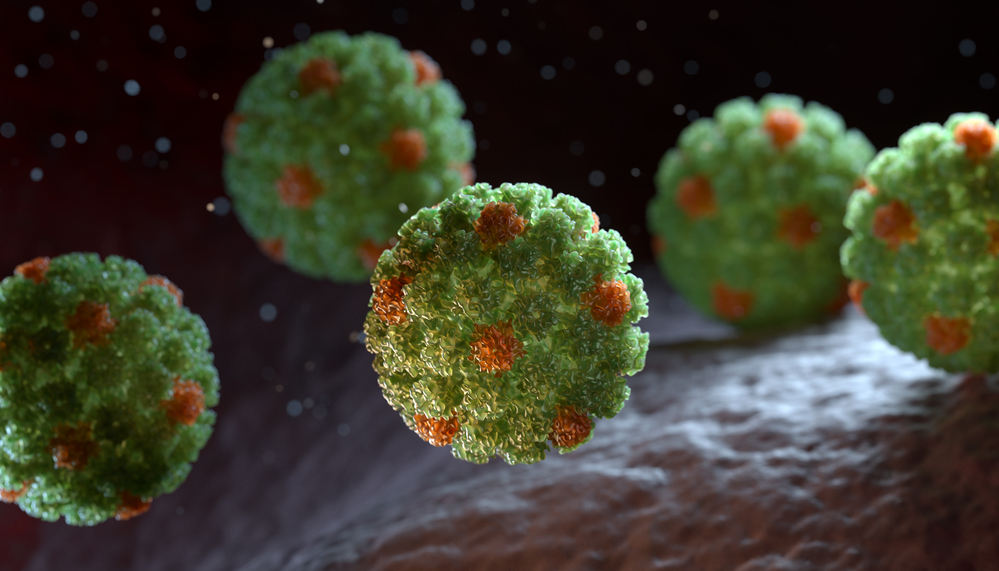
HPV, or human papillomavirus, is most commonly associated with cervical cancer, but it is also responsible for 90% of anal cancers, 70% of vagnal and vulvar cancers, and 60% of penile cancers. About 60% to 70% of cancers of the back of the throat and oropharynx may be linked to HPV as well.
People can contract HPV through sexual activities, and there are vaccinations against HPV available to decrease the chance of getting cervical, anal, vagnal, vulvar, penile, and back of the throat cancers.

Chronic Hepatitis B and Hepatitis C can increase chances of liver cancer
Hepatitis B and Hepatitis C can scar the liver (cause cirrhosis) and lead to liver cancer. People can contract Hepatitis B and C through sexual activities. The infections of Hepatitis B and C can cause cancer. There are Hepatitis B vaccinations to prevent Hepatitis B.
HIV or human immunodeficiency virus can cause cervical, blood, and lymphoma.
HIV can cause several cancers, including Kaposi sarcoma, a tumor-targeting the lining of blood vessels, aggressive B-cell non-Hodgkin lymphoma, and cervical cancer.
The following cancers are also more likely to develop with HIV infections:
- Head and neck cancer
- Anal cancer
- Lung cancer
- Liver cancer
- Hodgkin lymphoma
- Skin cancer (all types)
- Testicular cancer
One way to prevent HIV infection is through protected sex kno, winging your partner’s sexually transmitted infection status, and getting regular screening if one is sexually active.
We recommend practicing safe sex and always being aware of the sexual partners’ sexually transmitted disease histories, as well as getting regular screening acts, actively accepting treatments, and maintaining a healthy status living with STIs.

Vaccinations and Regular Cancer-Related Screenings
Vaccinations can decrease the risks of viral infections that can ultimately lead to cancer development. Such as hepatitis A, B, HPV, and other viruses that have a known vaccination, see the list as follows:
- Chickenpox (Varicella)
- Dengue
- Diphtheria
- Flu (Influenza)
- Hepatitis A
- Hepatitis B
- Hib (Haemophilus influenza type b)
- HPV (Human Papillomavirus)
- Measles
- Meningococcal
- Mumps
- Pneumococcal
- Polio (Poliomyelitis)
- Rotavirus
- RSV (Respiratory Syncytial Virus)
- Rubella (German Measles)
- Shingles (Herpes Zoster)
- Tetanus (Lockjaw)
- Whooping Cough (Pertussis )
As part of the cancer prevention strategy, it is essential to ensure that we have received all of the vaccinations against viruses that can give us the best chance of remaining healthy and reduce our chance of getting cancer.
Additionally, we can get regular screenings for the most common cancers as part of our cancer prevention strategy. The standard cancer screening tests are listed as follows:
- Lung Cancer Screening is as follows: yearly low-does CT scan x3.
- Colon Cancer Screening includes a colonoscopy every 5-10 years, a Guaiac-based fecal occult blood test, a Stool DNA test, a Sigmoidoscopy, and a Double-contrast barium enema.
- Breast Cancer Screening: Self-exams, Yearly exams by health practitioner, Mammograms, MRI, and ultrasound.
- Prostate Cancer Screening: Yearly prostate-specific antigen (PSA) blood test
- Those with a positive family history should discuss screening with a healthcare provider.
- Liver Cancer Screening: Higher risk of liver cancer due to cirrhosis or chronic hepatitis, alpha-fetoprotein (AFP) blood tests, and ultrasound exams every 6 to 12 months.
Getting vaccinated against viral infections and regular screening for cancers can reduce the chance of cancer and increase early cancer detection.
Final Thoughts
By now, we have a solid strategy to prevent cancer with the ten actionable ways: avoid smoking and other inhaled chemicals, limit red meat, smoked foods, salted fish and meat, pickled vegetables, and fat consumption, consume more vegetables, keep a healthy weight level and exercise, limit alcohol and oral contraceptives and post-menopausal hormone therapy, and avoid anabolic steroids.
Prevent UV light exposure under the sun or from artificial UV rays, limit exposure to bacterial hazards and toxins, ensure food sanitation and safe food sources, increase probiotic intake, practice mindfulness, neuron regulation, and bodily trauma healing.
Avoid risky behaviors, get regular screening and treatment for STIs, get vaccinated, and get regular cancer-related screenings. Those are all ways we can employ to prevent cancer.
We encourage you to incorporate those ten ways into your lifestyle to reduce your cancer risk. What other strategies have you devised?
Feel free to share your excellent cancer prevention strategies by commenting below. Please subscribe to our blog and find relevant articles on our page.
Other Posts You May Like
- 8 Cancer-Causing Products We Use Everyday: Identifying Hidden Risks
- Top Food Additives and Ultra-Process Foods Linked to Cancer
- Top Household Cancer-Causing Cleaning Products
- Top Personal Care and Beauty Products That Are Causing You Cancer
Ways to prevent cancer:
