

We all have heard of pesticides farmers use to prevent insect infestations and diseases. Without pesticides, pests would eat over half of our crops, and diseases would be the same.
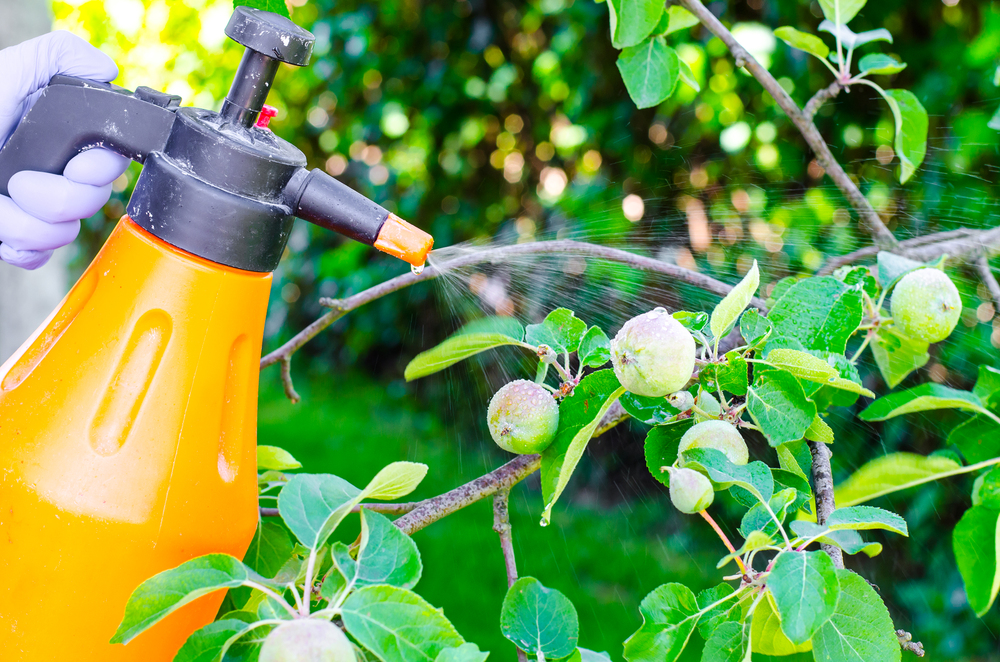
The most common way to apply pesticides is to spray insecticide with water in the field. Pesticides are dusting onto plants.
Pesticides can be absorbed by soil and uptake into plant tissues or pollute our ground and surface water. Soil can absorb pesticides and plants taking up them that grow on the soil, such as fruit and vegetables.
The fact that pesticides get into fruits and vegetables through soil or remain on the surface of the fruits and vegetables means that our fresh produce could contain toxic molecules that are harmful to humans and can cause cancer.
This article will explore how we apply pesticides to vegetables and fruits and how pesticides reach the soil and fresh produce, and pesticides in food that cause cancer. When we eat fresh produce with pesticides applied to it, we can also absorb pesticide chemicals, which increases our chances of getting cancer. We will then discuss how we can choose alternative products, such as organic products, or what fresh produce has the fewest pesticides detected.
That way, we can choose fresher produce that lowers our cancer risk.
Pesticides and Chemicals in Food
Pesticides control various pests and disease carriers, such as mosquitoes, ticks, rats, and mice. Agriculture also uses them to control weeds, insect infestations, and diseases. The four most common pesticides are fludioxonil, pyraclostrobin, boscalid, and pyrimethanil.
Pesticides saturate non-organic foods may harm human hormone systems, cause a decline in male reproductive health, and increase the chance of getting cancer. Studies have shown that pesticide exposure during pregnancy and throughout childhood increases the risk of cancer among children.
I remember going on a road trip as a college kid and eating lettuce without washing it or non-organic berries straight from the plastic container after purchasing from the grocery store.
Girls who were exposed to DDT (a kind of cancer) before they reached puberty are five times more likely to develop breast cancer in middle age. Pregnant women should not consume products that contain DDT and other pesticides as it increases the chance of children developing cancer down the road.

Non-organic produce with the most pesticides
When we go to the grocery store, we choose our food based on convenience. For example, after a long working day, we often rush to the grocery store, pick out some microwavable food, the cheapest fresh produce, and go to the hot bar with ready-to-eat fried chicken or sides such as wedge fries or mac and cheese without thinking twice.
We might rush home to cook a meal, heat the microwavable food, and gobble it before calling it a day. That was my life in my 20s. I would buy ten boxes or more of microwavable food and eat two boxes daily.
I would soon enough discover myself having rashes and pimples all over my body if I continued to consume quick meals, and then I would stop.
However, we only knew that 75% of the non-organic fresh produce had potentially harmful pesticides, and 95% of the samples in the top 12 non-organic fresh produce had pesticides.
The strawberries we innocently picked up at the grocery store or the spinach that we found yummy could contain pesticides that can negatively impact our health and increase our children’s chances of developing cancer.
EWG tested 46 fresh fruits. They found that the top 12 fruits contain the most pesticides, and the top 15 contain the fewest.
Finding alternatives or avoiding purchasing non-organic fruits and vegetables with high pesticide levels is best. That way, we are least impacted by pesticide-contaminated fruits that can cause cancer.

The top 12 fruits and vegetables that have the most pesticides are as follows:
- Strawberries
- Spinach
- Kale, collard, and mustard greens
- Nectarines
- Apples
- Grapes
- Bell and hot peppers
- Cherries
- Peaches
- Pears
- Celery
- Green beans
This list includes many of people’s favorite fruits and vegetables. Among my favorite fruits are strawberries, nectarines, cherries, peaches, and tomatoes. Seeing those fruits on the list makes me choose organic alternatives, positively impacting my health.
On the other hand, EWG tests the vegetables and fruits to find out which have the least amount of pesticides; it can be a good budget choice for people when there are no alternative organic vegetables and fruits to choose from in the grocery store or simply for people to prefer those vegetables and fruits in a non-organic form.

The top 15 cleanest fruits and vegetables with the least amount of pesticide residues are as follows:
- Avocado
- Sweet corn
- Pineapple
- Onions
- Papaya
- Sweet peas (frozen)
- Asparagus
- Honeydew
- Kiwi
- Cabbage
- Mushrooms
- Cantaloupe
- Mangoes
- Watermelons
- Sweet potatoes
I am also happy that some of my favorite vegetables are on the cleanest list, including sweet corn, papaya, sweet peas, asparagus, mangoes, watermelons, and sweet potatoes. The top cleanest fruit list 15 is an excellent place to start if you go to the grocery store and they don’t have organic produce available, or you would like to stay healthy by starting from this list of the cleanest 15 fruits and vegetables.
Final Thoughts
The agricultural industry relies heavily on pesticides to control weeds, insect infestations, and diseases. Pesticides can contaminate fruits and vegetables on the surface or be absorbed into the produce.
The best way to avoid pesticides is to choose organic fruits and vegetables. Otherwise, the 15 cleanest vegetables and fruits can guide shopping for non-organic vegetables and fruits.
The best practice is gently washing fruits and vegetables with plain running water. Soaking fresh vegetables and fruits with baking soda and water is another way to remove dirt, chemical residue, and other unwanted materials.
That way, we ensure we remove the most chemical compounds from the surface of our fruits and vegetables, reducing our chance of getting cancer.
Are there any other fruits and vegetables that need special consideration? If so, please let us know and share it with the community.
Other Posts You May Like
- 8 Cancer-Causing Products We Use Everyday: Identifying Hidden Risks
- 10 Ways to Prevent Cancer: Actionable Strategies for Health
- Top Household Cancer-Causing Cleaning Products
- Top Personal Care and Beauty Products That Are Causing You Cancer
How Pesticides in Food Cause Cancer